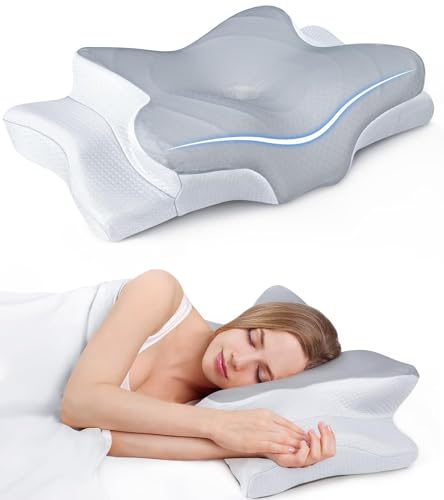

You have been tossing and turning for weeks, waking up with a stiff back and wondering if your current mattress is the culprit. The debate between a memory foam vs hybrid mattress is more than a shopping decision, it is a choice about how you want to sleep every single night. If you are a side sleeper, a back sleeper, or someone who shares a bed with a restless partner, understanding the core differences between these two mattress types can transform your rest. This guide cuts through the marketing hype and gives you a clear, practical comparison to help you decide which construction suits your body and your budget. We have evaluated the latest offerings and will walk you through the strengths of each design, with a special focus on the best hybrid mattress for 2026 to give you a real-world benchmark.


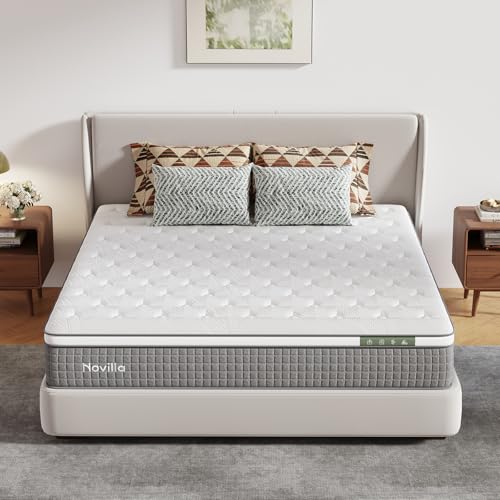
Buying Guide: Memory Foam vs Hybrid Mattress
Support and Spinal Alignment
The most critical factor in the memory foam vs hybrid mattress debate is how each type supports your spine. Memory foam mattresses use dense layers that contour closely to your body, which can create a “hammock” effect that some sleepers find too sinking. Hybrid mattresses, like the 14 Inch Queen Mattress, Upgraded 7-Zone Support, combine foam layers with a core of pocketed coils. This combination provides the contouring comfort of foam with the active support of springs, which helps maintain a neutral spine alignment throughout the night. For anyone dealing with back pain, the zoned support of a hybrid can be a game-changer, offering targeted pressure relief where you need it most.
Temperature Regulation and Cooling
If you wake up drenched in sweat, the cooling performance of your mattress is non-negotiable. Traditional memory foam is notorious for trapping heat because the dense foam restricts airflow. Hybrid mattresses have a natural advantage here: the open structure of the pocket coils allows air to circulate freely, drawing heat away from your body. The Grbsy hybrid takes this a step further by incorporating gel-infused memory foam and graphene materials in its comfort layers, actively dissipating body heat. If you tend to sleep hot, a hybrid mattress with cooling technologies is almost always the better choice over a standard all-foam model.
Motion Isolation for Couples
Sharing a bed with a partner who moves or gets up during the night can destroy your sleep quality. Memory foam excels at motion isolation because the foam absorbs movement, so you rarely feel your partner’s shifts. Hybrid mattresses used to lag in this area, but modern designs with individually wrapped pocket coils have closed the gap. The Grbsy hybrid features over 1000 individual pocket coils that move independently, combined with high-density foam layers that dampen vibration. This means you get the bounce and support of a hybrid without the disruptive motion transfer. For couples, a well-engineered hybrid now offers the best of both worlds: support and stillness.
Edge Support and Durability
Do you sit on the edge of your bed to put on socks or sleep close to the side? Edge support is a practical concern that often separates memory foam from hybrids. All-foam mattresses tend to compress more at the edges, making you feel like you might roll off. Hybrids, with their reinforced coil perimeter and dense support foam, provide a solid edge that resists sagging. The Grbsy hybrid uses edge-responsive coils and strong support foam to maximize the usable sleep surface and prevent that dreaded “roll-off” feeling. This durability extends the life of the mattress and gives you more usable space every night.
Final Thoughts
After comparing the two constructions, the decision in the memory foam vs hybrid mattress debate comes down to your personal sleep priorities. If you want deep, hugging pressure relief and absolute motion isolation and you sleep alone or in a cool room, a high-quality memory foam model like the best memory foam mattress for cool, supportive sleep can be an excellent choice. However, if you need active spinal support, superior cooling, and durable edge support for a shared bed or back pain relief, the 14 Inch Queen Mattress, Upgraded 7-Zone Support from Grbsy stands out as a versatile hybrid that delivers on all fronts, giving you a balanced, restorative sleep experience night after night.
Frequently Asked Questions
Is a hybrid mattress better for back pain than memory foam?
For many people, yes. The combination of zoned pocket coils and contouring foam in a hybrid mattress provides targeted support that helps maintain proper spinal alignment. The Grbsy hybrid, for example, uses a 7-zone ergonomic support system specifically designed to relieve pressure points and support the lower back, making it a strong option for back pain sufferers in 2026.
Which sleeps cooler: memory foam or hybrid?
Hybrid mattresses generally sleep cooler than traditional memory foam. The open coil structure allows air to circulate, while the foam layers in a hybrid can be infused with cooling gels or graphene to actively draw heat away. If you are a hot sleeper, a hybrid mattress with cooling technologies is almost always the better choice.
How long does a hybrid mattress last compared to memory foam?
Hybrid mattresses tend to last longer than all-foam models because the steel coil core provides structural integrity that resists sagging. A well-made hybrid, like the Grbsy with its reinforced edges and high-density foam layers, can last 7 to 10 years with proper care, while memory foam mattresses often begin to show wear after 6 to 8 years.
Can you flip a hybrid mattress?
Most hybrid mattresses are not designed to be flipped. They have a specific layered construction with a comfort layer on top and a support layer on the bottom. Flipping a hybrid would place the coil core against your body, which is uncomfortable and can damage the mattress. Always check the manufacturer’s instructions, but rotating the mattress head to foot is usually recommended instead.