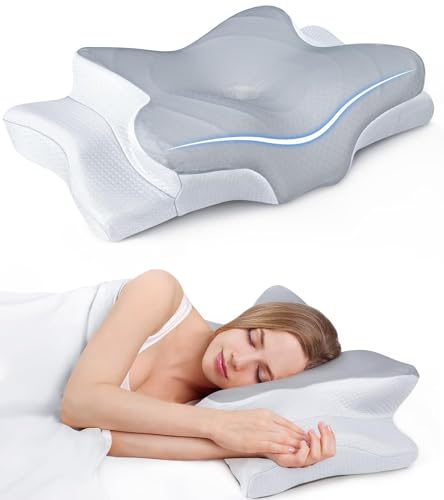

Tossing and turning all night? You’re not alone. Many adults struggle to quiet their racing thoughts and find deep, restorative sleep. A weighted blanket might be the simple, drug-free solution you’ve been searching for. This guide reviews nine of the top-rated weighted blankets on the market, highlighting their unique features to help you choose the perfect one for your sleep style and body type.


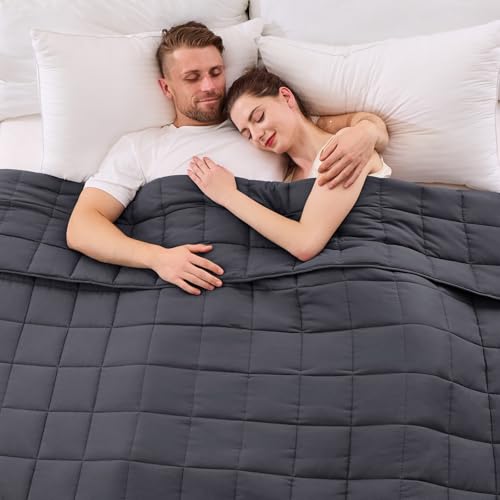
Buying Guide: How to Choose the Best Weighted Blanket
Before you dive into our top picks, it helps to understand what makes a weighted blanket truly great. Here are the key factors we considered when evaluating each product.
Weight and Size: The 8-12% Rule
The most critical factor is choosing the right weight. Experts recommend selecting a blanket that’s roughly 8% to 12% of your body weight. For example, if you weigh 150 pounds, a 15-pound blanket is ideal. If you’re between 190 and 210 pounds, a 20-pound option will provide the right amount of deep touch pressure.
Size matters too. Weighted blankets are intentionally smaller than your mattress, as they’re designed to rest on your body without hanging over the edges. A queen-size blanket (60″x80″) is perfect for a single sleeper, while a king-size (80″x87″) offers ample coverage for couples or those who want more room to move.
Material and Comfort: From Sherpa to Cooling
The fabric determines how the blanket feels against your skin and how well it regulates temperature. For cozy, winter warmth, look for a sherpa fleece or flannel top. These materials trap heat and feel incredibly soft. If you tend to sleep hot, a cooling weighted blanket with breathable microfiber or a minky side is a better choice.
Consider the texture as well. Some people prefer the plush feel of sherpa, while others like the smoothness of flannel or the breathability of cotton. Think about your personal comfort preferences and your climate.
Construction and Durability: Stitching and Fill
A well-made weighted blanket should have secure stitching and even weight distribution. Look for models with small, quilted pockets (around 5″x5″) that keep the glass beads in place, preventing bunching and annoying rustling noises. High-density stitching, like 15,000 stitches, ensures the beads stay put even after washing.
Also, check the fill material. Premium glass beads are preferred over plastic pellets because they’re finer, quieter, and more evenly distributed. A 7-layer design with extra fabric layers adds durability and prevents bead leakage.
Frequently Asked Questions
How long does it take to get used to a weighted blanket?
Most people adjust within 3 to 7 days. Start by using the blanket for short periods, like during a nap, and gradually increase the time. If you find it too heavy, consider starting with a lighter weight and working your way up.
Can I wash a weighted blanket in a home washing machine?
Yes, most weighted blankets are machine washable, but it’s best to use a commercial machine if possible, as the weight can be tough on a residential washer. Use cold water on a gentle cycle and tumble dry on low. For spot stains, a quick spot clean is often sufficient.
Are weighted blankets safe for children?
Weighted blankets are generally not recommended for children under 7 years old, as the weight can pose a suffocation risk. For older children, always consult with a pediatrician first and choose a weight that’s appropriate for their size. It’s also important to ensure the blanket is not too heavy for them to remove independently.
What is the best weight for a weighted blanket?
The ideal weight depends on your body weight. As a rule of thumb, aim for 8% to 12% of your body weight. For example, a 150-pound person would benefit from a 15-pound blanket, while a 200-pound person might prefer a 20-pound option. If you’re between sizes, it’s often better to start with the lighter one.